Chris FollinBy Chris Follin

FIELD TOOLS

Camp tools that earn pack space

Camp tools should map to actual jobs: tighten a loose fastener, cut cord cleanly, stake a shelter properly, process legal dead wood, and make a small repair before it turns into a trip problem. The bad version is a heavy tote of duplicate edge tools that rarely leaves the bag.

KnivesSawsRepairs

The tool test is simple

If a tool does not make camp safer, easier, cleaner, or more reliable, it is probably just weight. I want tools that handle repeated small jobs without feeling precious, oversized, or theatrical.

Start here when you want the practical hand-tool layer around shelter, firewood, repairs, and camp chores. This is a job list first and a gear list second.

Start with jobs, not objects

The useful camp kit usually starts boring. Most trips need a way to fix little failures, secure the shelter, and deal with small cutting jobs. Firewood tools come later, and only when the site, rules, and trip plan actually call for them.

REPAIR

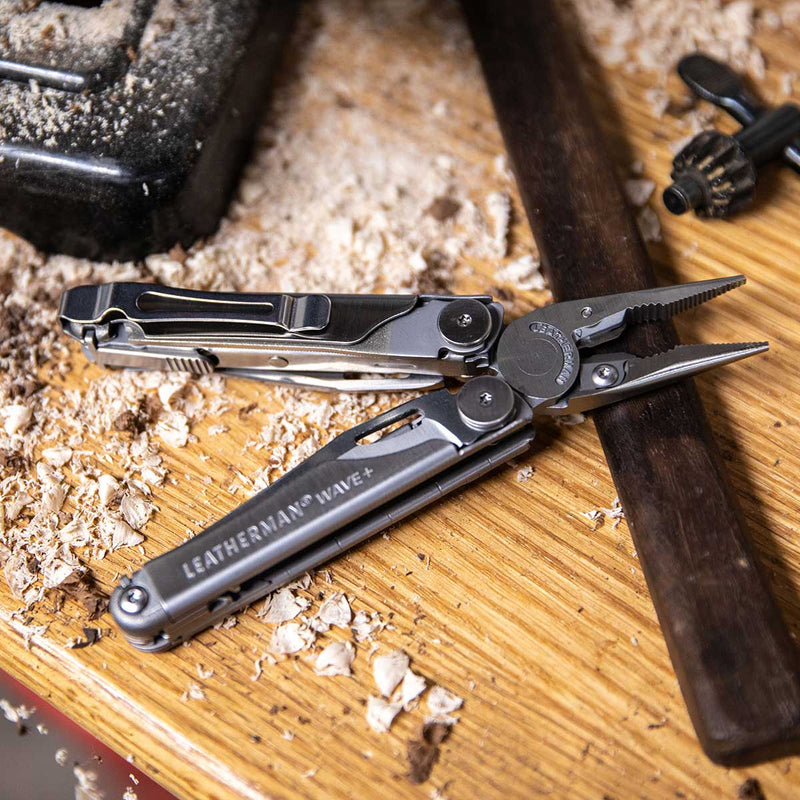
Fix the small thing before it becomes the night

A multitool earns space because screws loosen, buckles jam, stove parts need persuading, and somebody eventually needs pliers. Add spare cord, a few zip ties, tape, and the specific bits your gear uses.
SHELTER

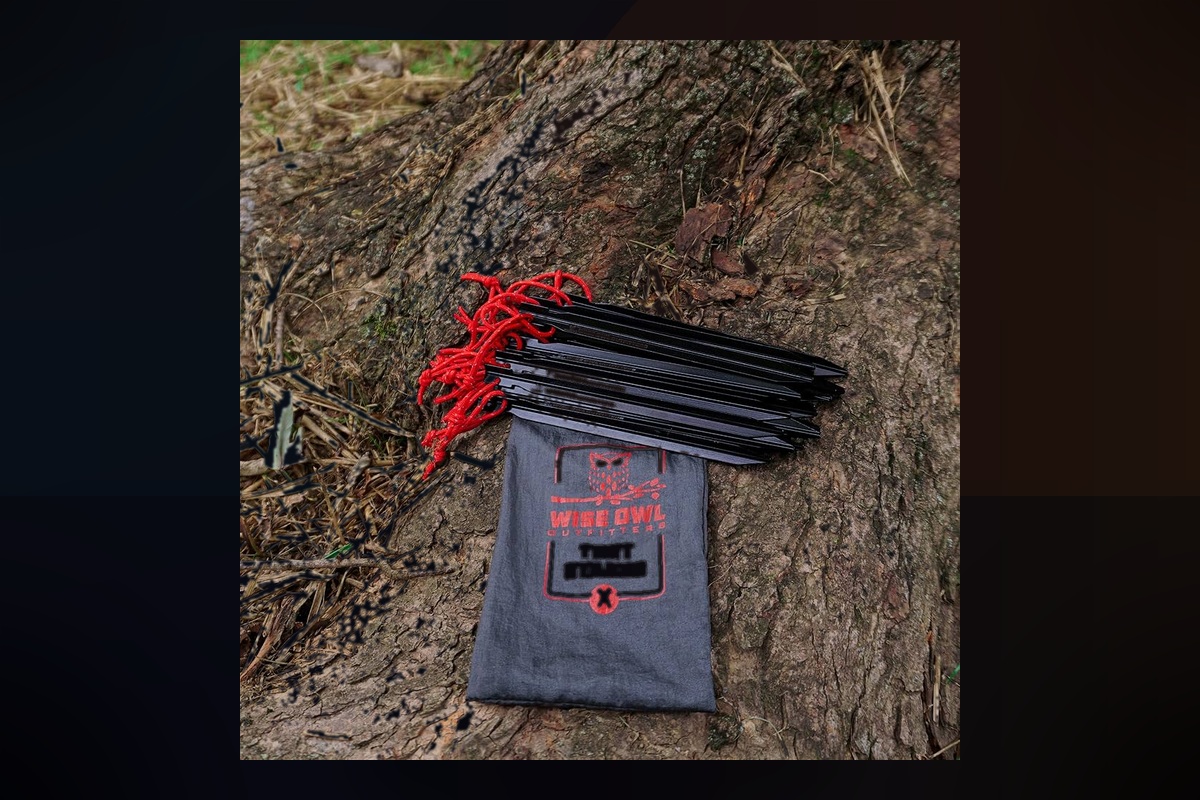
Carry enough stakes for the weather you might get

Stock stakes are often the first shelter part to fail. Better Y-beam stakes, a controlled mallet or rock, and real guyline angles do more for sleep than another knife in the bin.

WOOD

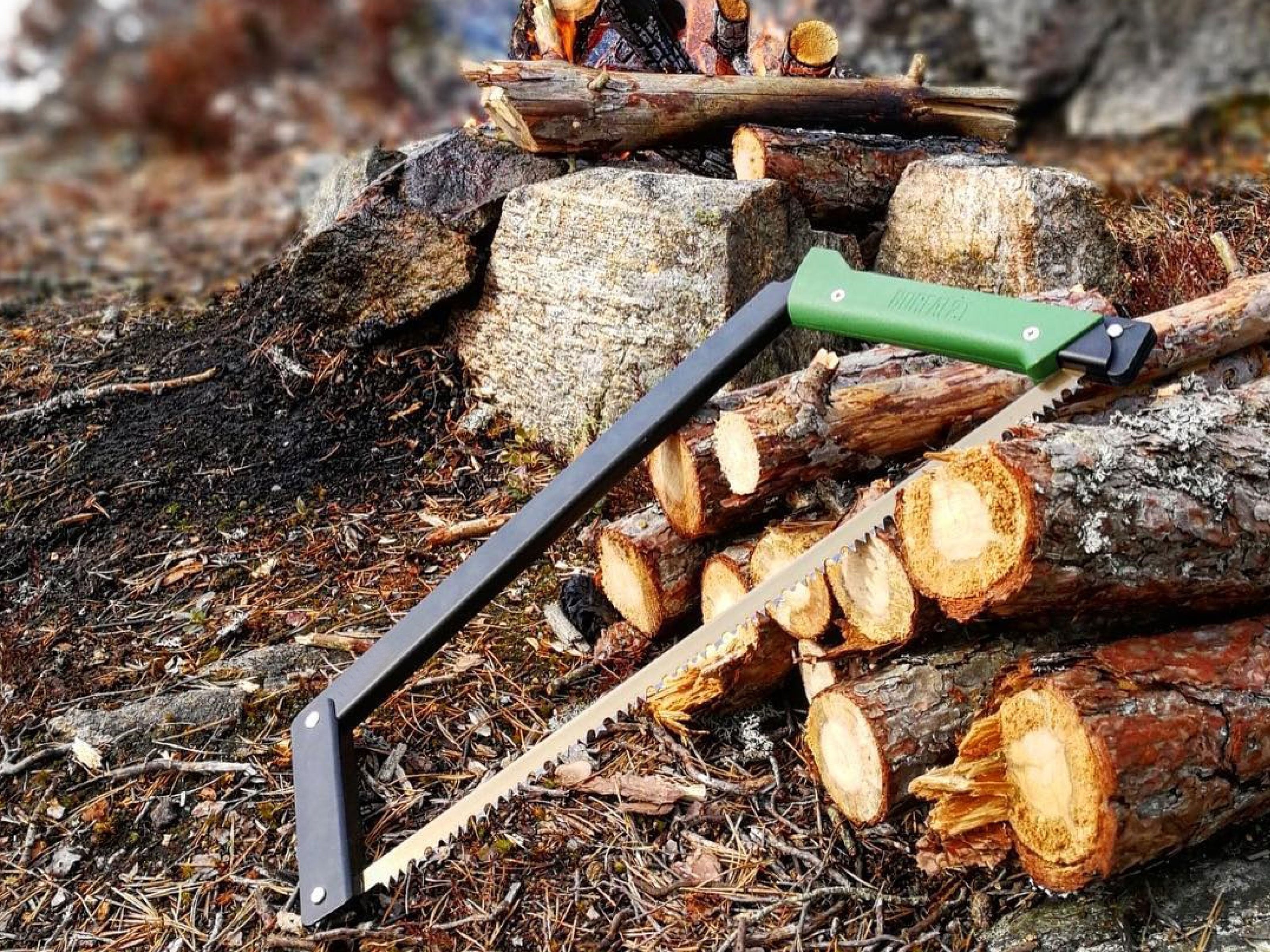
Let the saw do clean work

For wrist-to-forearm-size dead wood, a folding saw is usually safer and more efficient than chopping. Bring a hatchet when you need to split, notch, or shape wood, and only where fires and wood collection are allowed.

How I would choose between them

You do not need every edged tool. The right tool mix depends on whether you are cutting small branches, processing real firewood, repairing gear, or just making the shelter hold better.

MOST TRIPS

Multitool and stakes first

Those solve more common camp problems than a big knife or axe. Start with the everyday failures before buying the tools that look good in a photo.

WOOD CHORES

Saw before hatchet for most camp wood

A folding saw is cleaner, safer, quieter, and often faster for the small wood people actually process around camp.

REAL CHOPPING

Bring the hatchet only when it has a job

Hatchets are great when they are used intentionally. They are wasted weight when they are only there because camp gear is supposed to look rugged.

Three clean tool kits

This is how I would scale the same idea instead of packing every blade and handle at once.

LIGHT CAMP

Multitool, stakes, and repair bits

Best for normal weekend camping, road trips, and any place where wood fires are not part of the plan. It handles shelter setup, little repairs, packaging, cord, and general camp annoyance.

FIREWOOD CAMP

Add a folding saw

If legal dead wood is available and you are actually building a fire, the saw does the high-frequency work. Keep the blade clean, let the teeth cut, and stop before the log becomes a wrestling match.

BASECAMP

Add the hatchet deliberately

A hatchet makes sense for splitting kindling, rough shaping, and heavier camp chores. It also asks more of the user: stable block, clear swing path, sheath discipline, and no rushed cuts.

What I would leave home

The easiest way to improve a tool kit is to remove the gear that creates risk, clutter, or duplicated jobs.

OVERSIZED BLADES

The giant survival knife fantasy

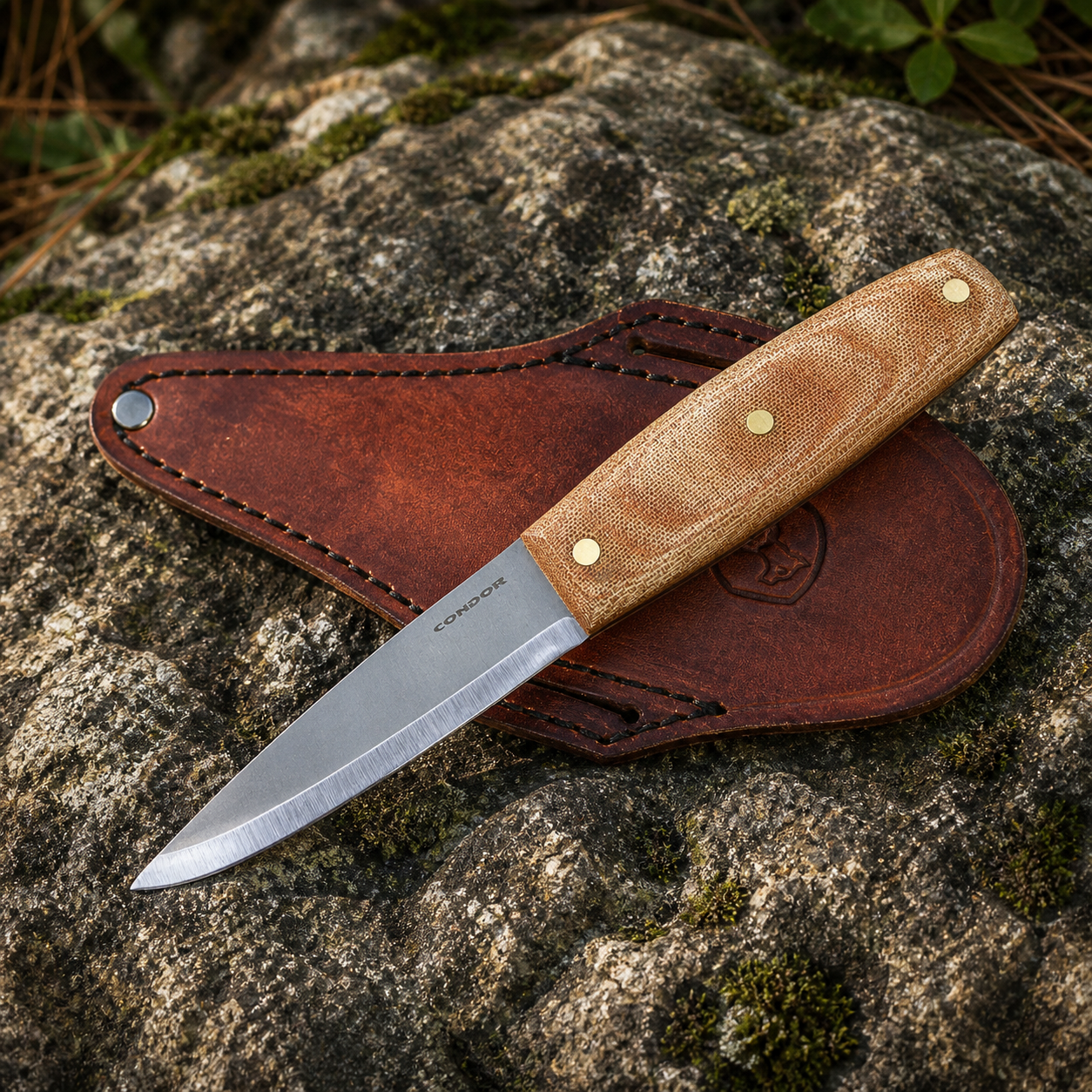
If you have not practiced with it, a huge knife usually makes basic cutting less precise and more awkward. A sharp, controlled edge beats a dramatic one.

BAD CONDITIONS

Axes during fire bans or crowded sites

When fires are banned, wood collection is restricted, or the site is tight and busy, leave chopping tools packed away. A tool can be good and still be wrong for the place.

DUPLICATES

Three tools doing one job

A multitool blade, dedicated knife, saw, and hatchet can all cut something, but that does not mean they all belong on the same trip. Choose by task, not category completion.