01
Go around the anchor
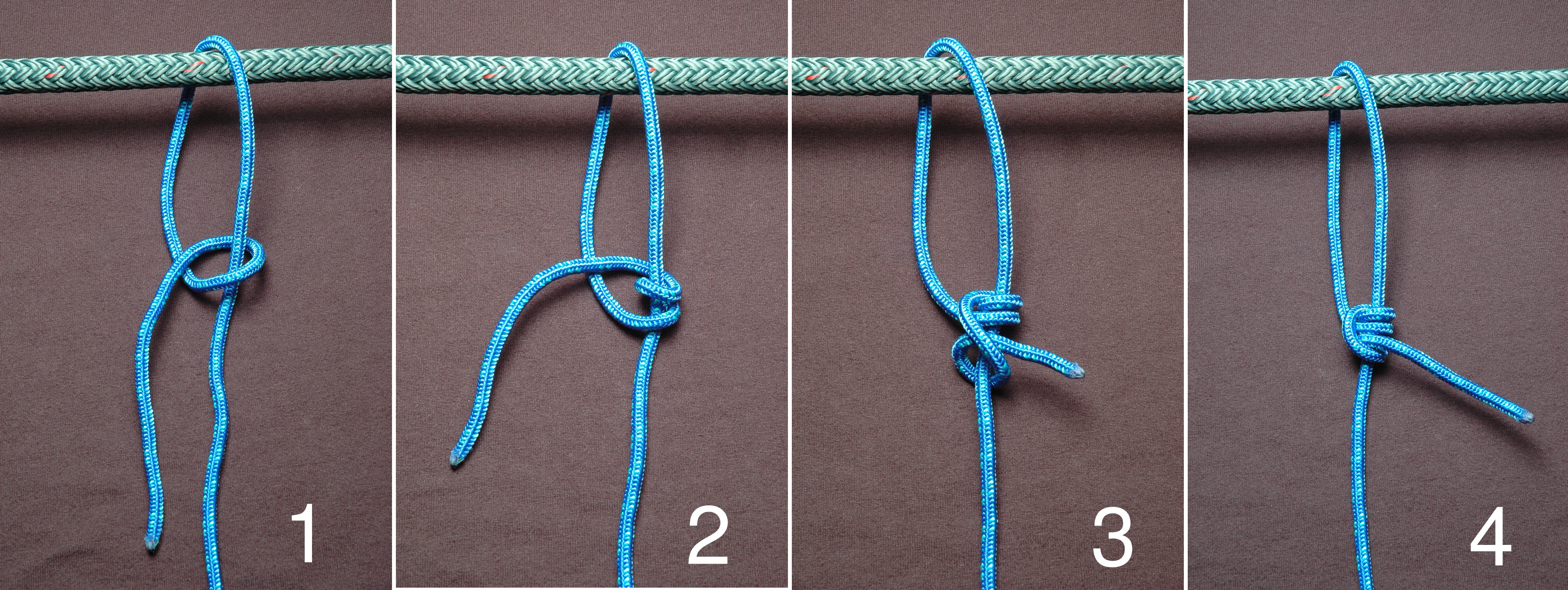
Run the line around the stake, tree, ring, or tie-out and bring the working end back toward the standing line.
 By Chris Follin
KNOT SKILLS
The taut-line hitch is the campsite knot people usually want when they ask for an adjustable knot. It slides when you push it by hand, then grips when the guyline is loaded.
A tarp or tent line rarely stays perfect all day. Fabric stretches, stakes move, wind shifts, and rain changes tension. A taut-line hitch gives you a hand-adjustable way to retension a line without pulling the stake or retying the anchor.
THE ROPE PATH
The taut-line hitch works because the wraps grip the standing line when loaded but can still slide when you push the hitch by hand. Keep the wraps neat or the whole point disappears.
| Situation | Use the taut-line? | Better move |
|---|---|---|
| Tent guyline or light tarp corner that needs occasional adjustment | Yes. | Tie it clean, tension it, then watch for creep. |
| High-tension tarp ridgeline between two trees | Usually no. | Use a trucker's hitch or reliable hardware tensioner. |
| Slick cord, shock cord, icy cord, or wet cord that keeps sliding | Only if it passes a test. | Add wraps if appropriate, or switch to hardware. |
| Heavy load, hanging gear, towing, recovery, or safety critical work | No. | Use the correct rated system. |
| Fixed attachment loop | No. | Use a bowline. |
Tension the line, bump the fabric or rope a few times, then stare at the hitch. If it creeps while you are watching it, it will creep more in wind. Retie it cleaner, add the right extra wrap for your cord, or stop pretending and use hardware.
Run the line around the stake, tree, ring, or tie-out and bring the working end back toward the standing line.
Hold the working end beside the standing line so the wraps have something clean to bite on.
Wrap the tail around the standing line twice on the anchor side. Keep the wraps side by side.
Move away from the anchor and make one more wrap on the outside of the first two wraps.
Pass the tail through the outside wrap and snug the hitch into a neat stack.
Slide the hitch to tension the line, load it, and watch whether it creeps before you trust it overnight.
Slick cord, shock cord, wet cord, icy cord, heavy fabric loads, and constant flapping can all make a taut-line hitch creep. Sometimes the correct fix is not another wrap; it is a different tension system.
For a ridgeline or bigger tension job, use a trucker's hitch. For modern tent guylines with built-in hardware, use the hardware. Knots are useful, but there is no virtue in ignoring a better tensioner that already came with the tent.
A taut-line hitch is for small shelter adjustments, not brute force. If I need real leverage, I use a trucker's hitch.