Chris FollinBy Chris Follin

MEDIA KIT

Camera gear for camp and travel

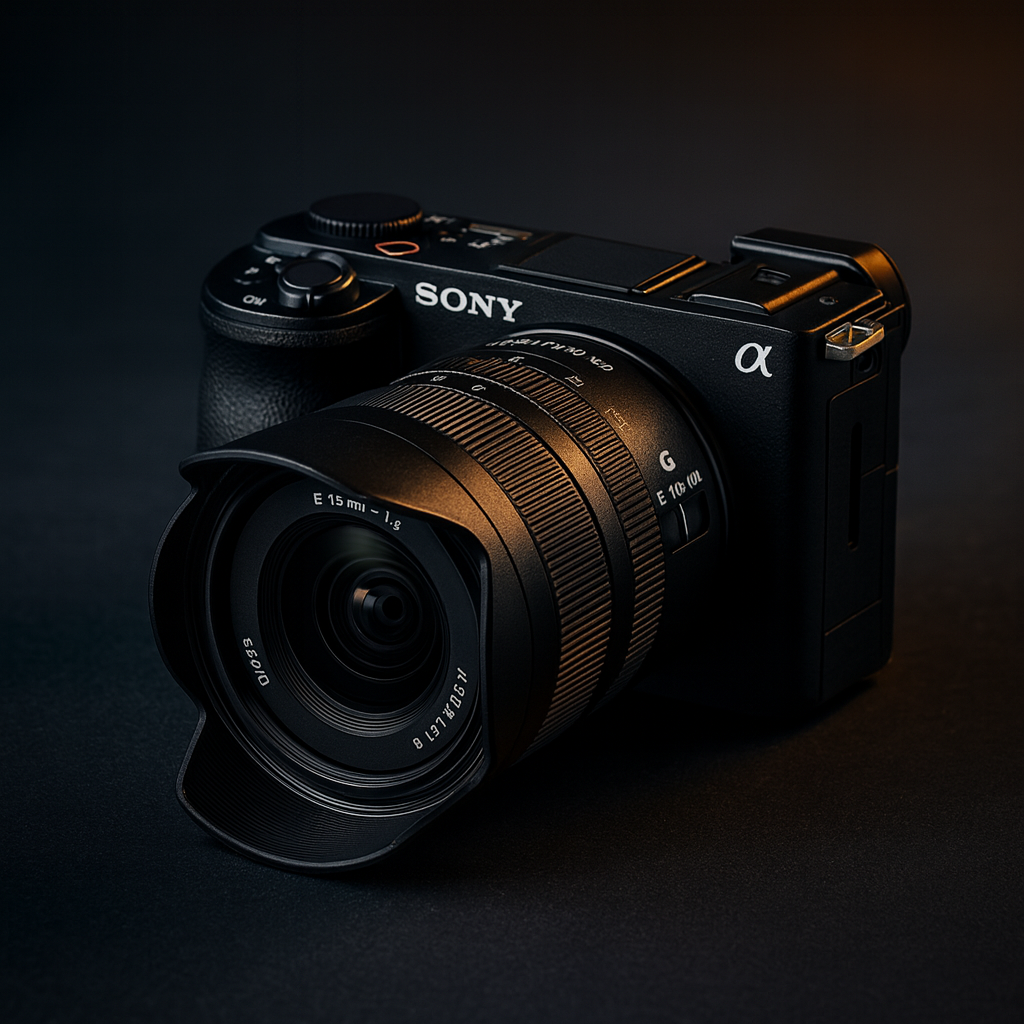
The best trip camera kit is not the biggest kit. It is the kit that is close enough to grab, simple enough to operate when light is changing, and complete enough that you are not stuck with dead batteries, shaky video, or one lens that cannot handle the scene.

CameraLensesPowerTrip media

The point is better capture, not more baggage

A good media kit should help document camps, projects, roads, weather, meals, tools, and finished work without making every stop feel staged. The useful version is small: one camera body, one flexible zoom, one fast wide lens, a tripod when the shot deserves it, reliable USB-C power, and connectivity only when the trip needs uploads or remote work.

Start here if you want cleaner site photos, project documentation, camp video, and travel images without turning the trip into a film crew exercise.

Build the kit around the shots you take

Most people overpack camera gear because they plan for imaginary shots. This kit is built around the real ones: a finished project before it leaves the shop, a campsite before the light disappears, a road scene through dust and glare, a quick talking clip, or a product detail that needs to look clear enough for a page like this.

FAST DOCUMENTATION

Use the camera when quality matters, phone when speed matters

The phone still wins for quick notes, GPS screenshots, receipts, and throwaway reference shots. The camera comes out for anything worth publishing, printing, or using as project proof.

LOW LIGHT

One fast wide lens solves more than another gadget

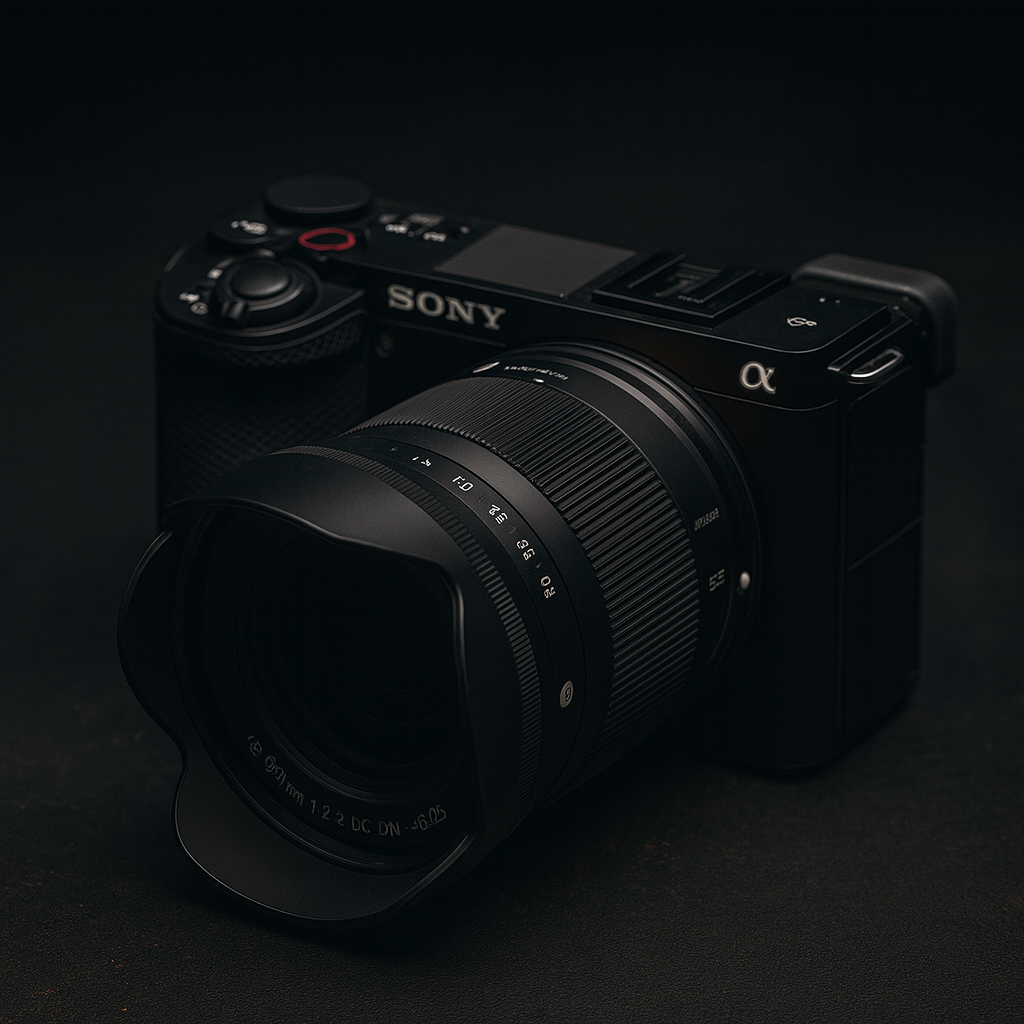
Tight campsites, interiors, firelight, shop corners, and handheld video all punish slow glass. A fast wide prime earns its place when the zoom starts to feel dark or cramped.

STABILITY

Tripods are for intentional shots, not every shot

Bring the tripod when you need product photos, self-filming, long exposures, or a repeatable frame. Leave it packed when it will just make you stop enjoying the stop.

How I would keep the kit useful

The camera kit should stay small enough that it comes along. The body and lenses matter, but so do power, stability, weather habits, and not overpacking the media side until it ruins the trip.

BODY

Keep the camera small enough to carry

A better camera only helps if it is nearby when the shot happens. Keep it accessible in the vehicle or day bag instead of buried under clothes and cookware.

LENSES

Use one flexible lens and one fast wide

The zoom covers normal scenes. The fast wide handles tight spaces, low light, and handheld video where phones and slow lenses struggle. More lenses usually mean more hesitation.

SUPPORT

Tripod and power make the kit dependable

Stable shots and charged batteries matter more than another accessory you barely understand. Power is part of the camera kit, not a separate problem.

Choose the right version of the kit

Not every trip needs every piece. The trick is deciding before you leave, because the worst camera kit is the one you bring out of guilt and never touch.

LIGHT TRIP

Camera body plus the Sigma zoom

Best for quick weekends, scouting, and trips where photos matter but media is not the mission. Add one spare battery and keep the tripod home.

PROJECT TRIP

Add the fast wide and tripod

Best when you need usable website photos, before-and-after shots, talking clips, or a repeatable frame of a build, campsite, vehicle setup, or product detail.

REMOTE WORK

Add power and connectivity only when needed

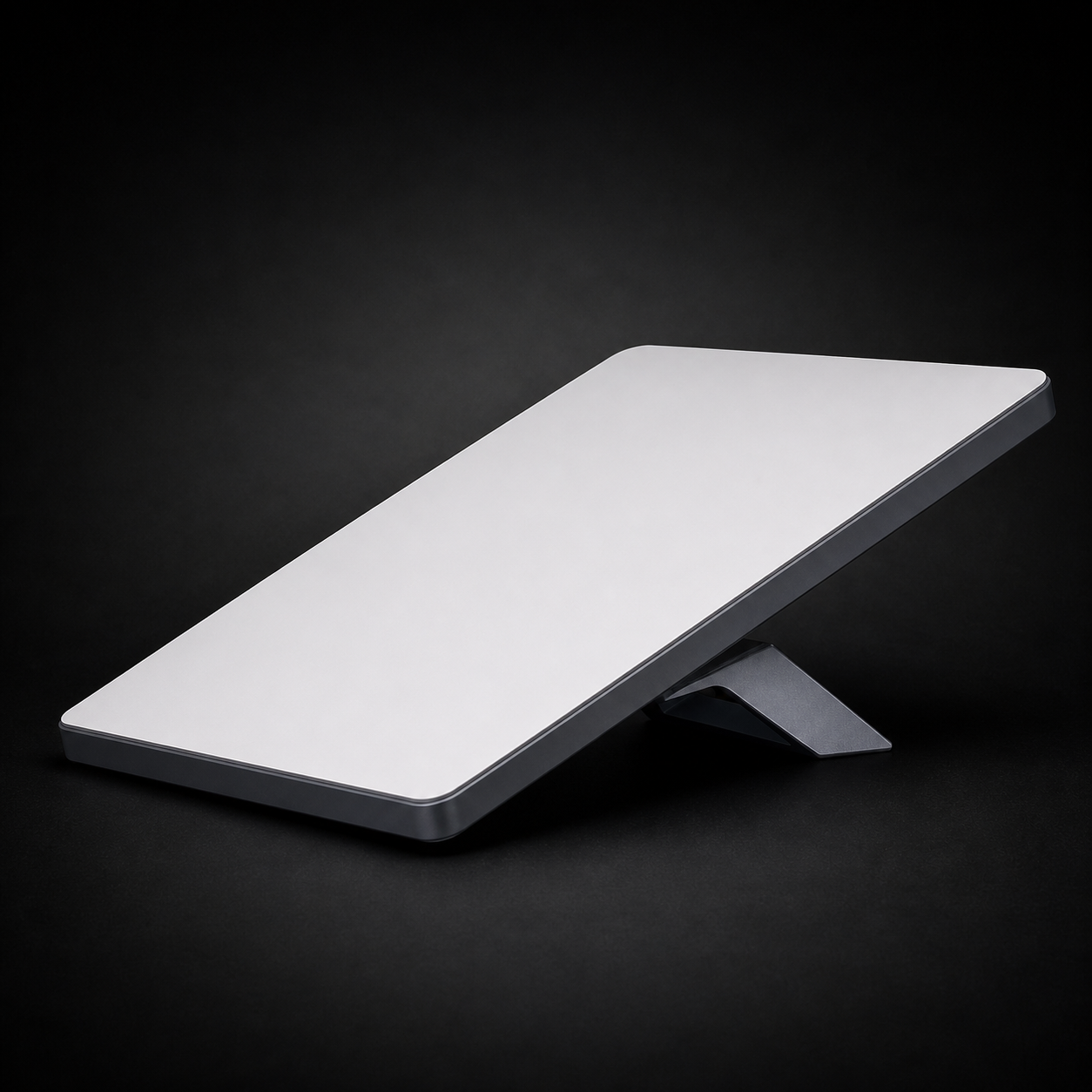
The Anker and Starlink make sense when you are uploading, working, or coordinating from camp. If the trip is offline on purpose, leave the internet plan out of it.

The small habits matter

Camera gear fails on trips through small annoyances: dead batteries, dirty lenses, cards left in a reader, a tripod buried too deep, or a camera packed so carefully that it never comes out.

Before leaving, check battery charge, empty card space, lens cloth, USB-C cable, one weather-safe storage spot, and whether the tripod is worth its volume for this trip.